Tampa Bay homeowner guide
Safety decision guideWhen a clogged drain needs a plumber
A single slow fixture may justify a few safe observations, but a recurring clog, several affected drains, gurgling, wastewater, or water appearing in another fixture calls for professional assessment. Do not mix drain chemicals or keep running water into a backup.
On this page
The short answer
What to do first
A slow or stopped drain at one fixture can sometimes begin with low-risk observations, but multiple affected fixtures, wastewater, recurring backups, a lowest-level drain, or outdoor sewage should move the situation to professional or utility assessment. Do not mix drain chemicals, use powered equipment without training, or keep running water to test a backup.
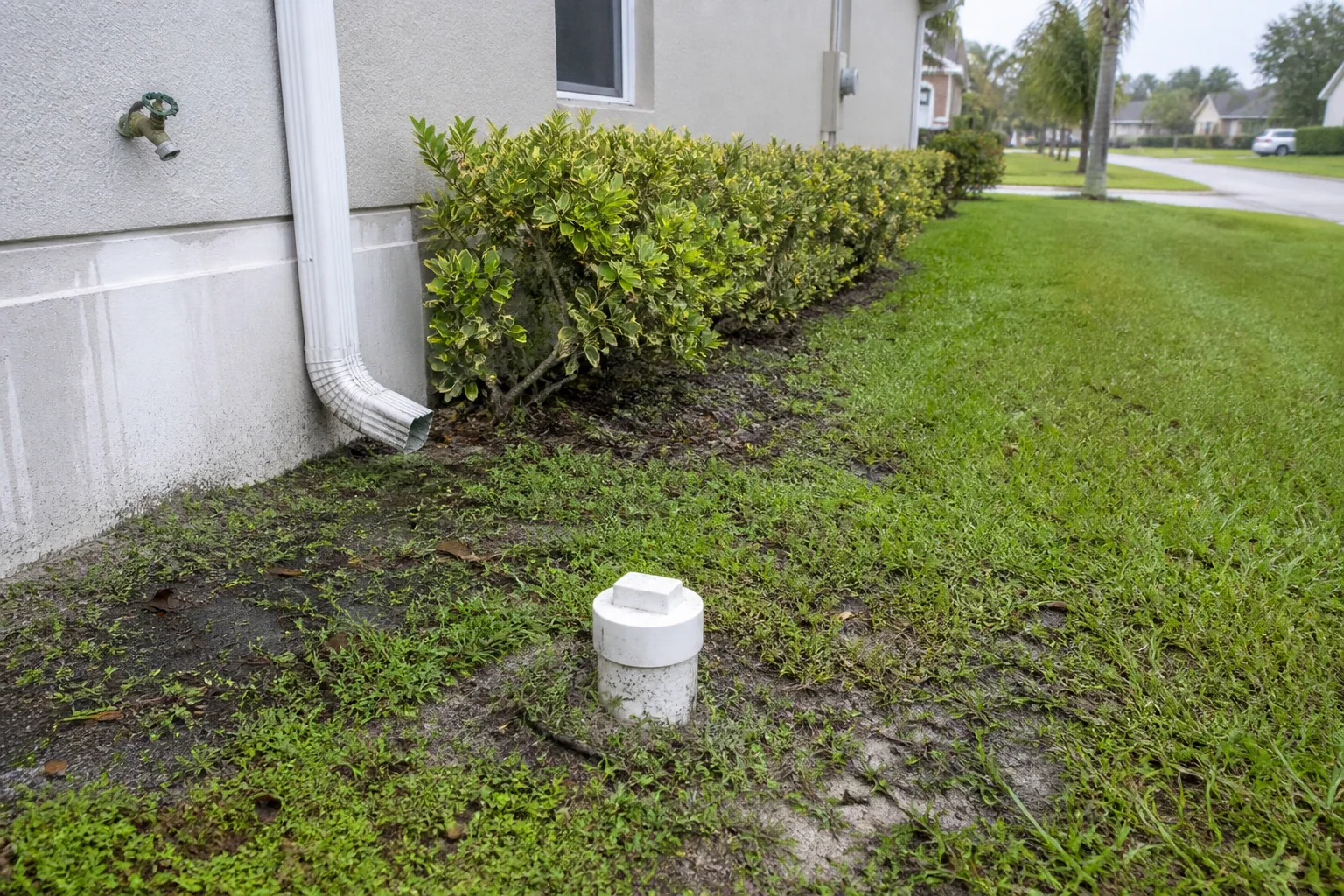
Five things to remember
- Check whether the pattern is isolated or system-wide.
- Stop adding water when it appears in another fixture or wastewater is present.
- Never mix chemical drain products or add tools after chemicals without telling the responder.
- Recurring clogs need a cause-focused assessment, not repeated clearing alone.
- Public sewer, private lateral, septic, and shared-building boundaries require different first calls.
Print the drain symptom record
Record fixtures, timing, products used, recurrence, wastewater, weather, and service findings.
One fixture or a system pattern?
Stop using it and make low-risk observations
Check the visible stopper or strainer and disclose any product already used.
Reduce water use and arrange assessment
The building drain, private lateral, septic, or public system may be involved.
Keep away and use the contamination-safe route
Do not test with more water or open a cleanout.
Contact the serving utility
Record the incident number and follow current instructions.
Low-risk observations versus stop conditions
Swipe sideways to see every column| Observation | Reasonable boundary | Stop and disclose |
|---|---|---|
| Visible stopper or strainer | Remove loose visible debris without dismantling piping | Sharp objects, wastewater, corrosion, or unknown chemical |
| Simple plunger | Only for a compatible fixture with no chemical exposure and no system-wide backup | Overflow risk, shared drain symptoms, repeated failure |
| Trap or cleanout | Professional boundary when contents or chemicals are unknown | Do not open under pressure or contamination risk |
| Chemical product | Follow label and poison-control guidance | Never mix; tell the responder exactly what and when |
| Powered cable or jetting | Trained professional boundary | Risk of injury, damage, or contamination |
What a drain professional needs to know
Pattern
- Every affected fixture and floor
- Whether another fixture changes when water runs
- Lowest drain or outdoor symptoms
History
- When it began and prior recurrence
- Previous clearing, camera, repair, roots, or pipe findings
- Heavy rain, utility notice, septic service, or building work
Safety
- Wastewater contact
- Every chemical/product and time used
- Access, pets, shared building, and electrical hazards
Ask for more than 'the drain is clear'
Location reached
Which fixture, branch, stack, building drain, lateral, or system boundary was accessed?
Evidence observed
What material, condition, camera evidence, flow result, or limitation was found?
Work performed
What was cleared, cleaned, inspected, repaired, or left unresolved?
Next threshold
What symptom means stop using the system or schedule further assessment?
Prevention should match the documented cause
Keep fats, oils, grease, wipes, and unsuitable items out of drains, but do not accept a generic prevention script as proof of why a specific line recurs. The useful record connects the observed material or condition to a maintenance or repair recommendation.
Related next steps
Use the guide that matches the situation.
How this resource was made
Methodology and limits
This guide routes by observable fixture pattern and contamination risk, then connects system-wide symptoms to the broader sewer/septic decision tool.
- Symptoms cannot locate a blockage from a screen.
- Property boundaries and utility responsibilities vary.
- Chemical exposure details must be disclosed to anyone working on the drain.
Sources
Reviewed sources
- Fat-Free SewersCity of Tampa · Reviewed 8/17/2026
- Sanitary Sewer OverflowsU.S. Environmental Protection Agency · Reviewed 8/27/2026
- Safety Guidelines: Reentering Your Flooded HomeCenters for Disease Control and Prevention · Reviewed 8/17/2026
- Prevent Blocked DrainsCity of Tampa Wastewater Department · Reviewed 8/27/2026
Reviewed by Plumbers in Tampa Bay on 8/27/2026.