Tampa Bay homeowner guide
Printable checklistPrepare your plumbing before a Tampa Bay hurricane
A before, during, and after-storm system for Tampa Bay households. It helps you record the right contacts, identify safe actions, avoid floodwater and electrical hazards, and know whether the next call belongs to a plumber, utility, or emergency service.
On this page
The short answer
What to do first
Prepare the plumbing side of your hurricane plan before a watch or warning becomes urgent: save the current contacts for your utility and local emergency authority, record a safely accessible household water shutoff only if you already know it, document visible plumbing and equipment, and follow official instructions if evacuation, water safety, or service guidance changes. Never enter water near electricity, force an unfamiliar valve, or assume tap water is safe after an official notice.
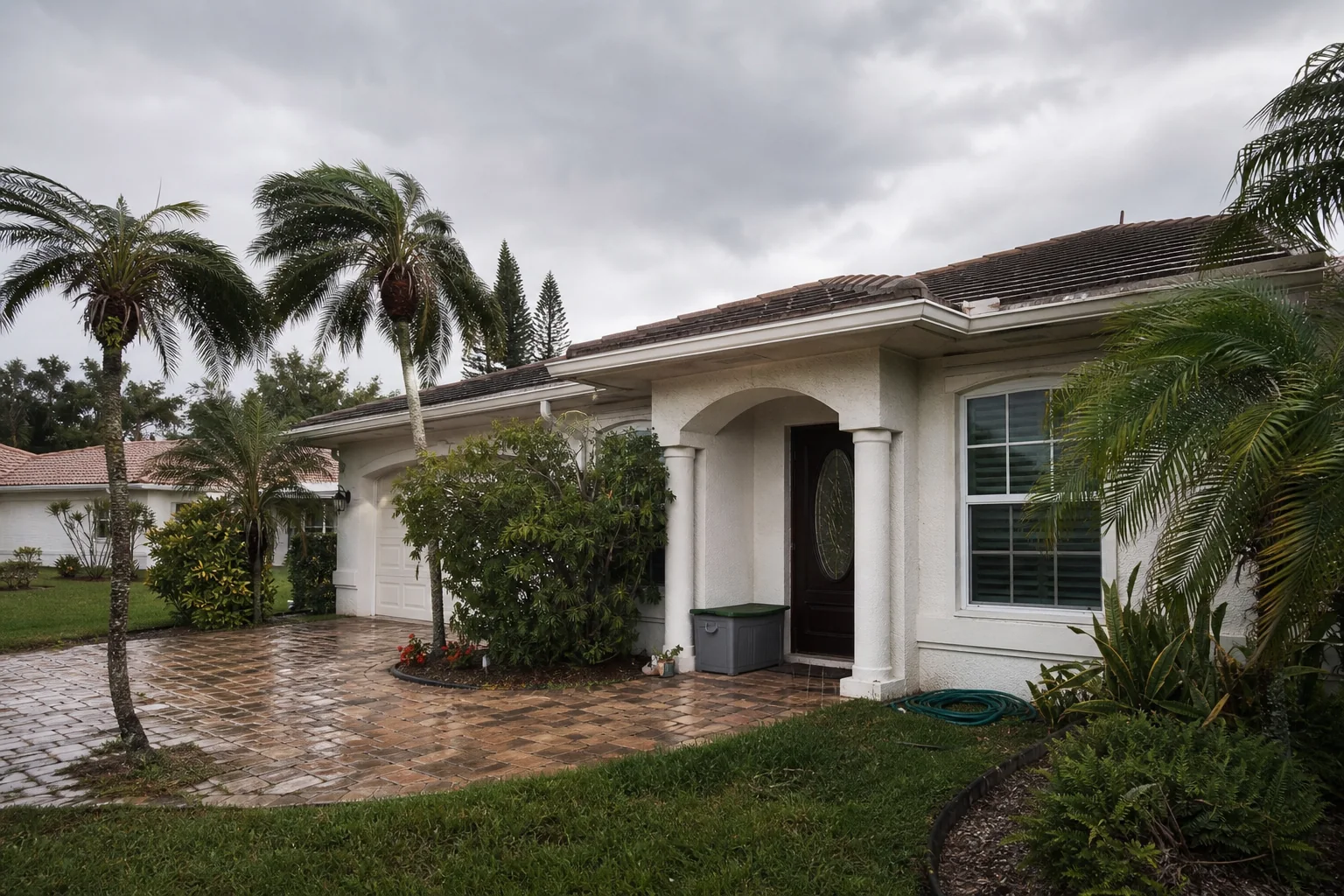
Five things to remember
- Official evacuation, re-entry, drinking-water, and sewer instructions always override this guide.
- Identify and label only a known, safely accessible household shutoff; do not force or dismantle a valve.
- Record your water provider, water source, wastewater or septic arrangement, emergency contacts, and visible pre-storm condition.
- Reduce nonessential water use if sewer or septic service is disrupted, and avoid all contact with floodwater or sewage.
- Use the decision paths below to choose between emergency services, the utility, and a plumber.
Print the checklist and household record
Two clean pages: a before/during/after checklist and a blank household plumbing record sheet.
Choose the right storm path first
Start with the current condition—not a generic checklist. The safest next step changes once an alert, evacuation order, flood, or utility notice is active.
Prepare now
Complete the record sheet, check official alert access, photograph visible conditions, and address a stuck or leaking shutoff with a professional before the storm.
Use official updates
Finish only low-risk actions. Do not climb, enter water, open utility equipment, or begin unfamiliar repairs as conditions worsen.
Follow it immediately
Emergency-management instructions outrank the checklist. Do not delay departure to inspect or adjust plumbing.
Wait for a safe re-entry
Avoid floodwater and wet electrical equipment. Check current water and sewer notices before using fixtures.
Use the building plan too
Save the landlord, property manager, association, and building emergency contacts. Do not operate shared or building-level equipment unless you are authorized.
Before the storm: make the property easier to understand
These steps create a usable record without asking a homeowner to perform plumbing, gas, or electrical work.
Know and record
- Your water provider—or that the property uses a private well—and its emergency or outage page
- Whether the property uses public sewer or a private septic system
- The location of a known, safely accessible household water shutoff
- The property manager, association, landlord, or emergency contact when applicable
Document
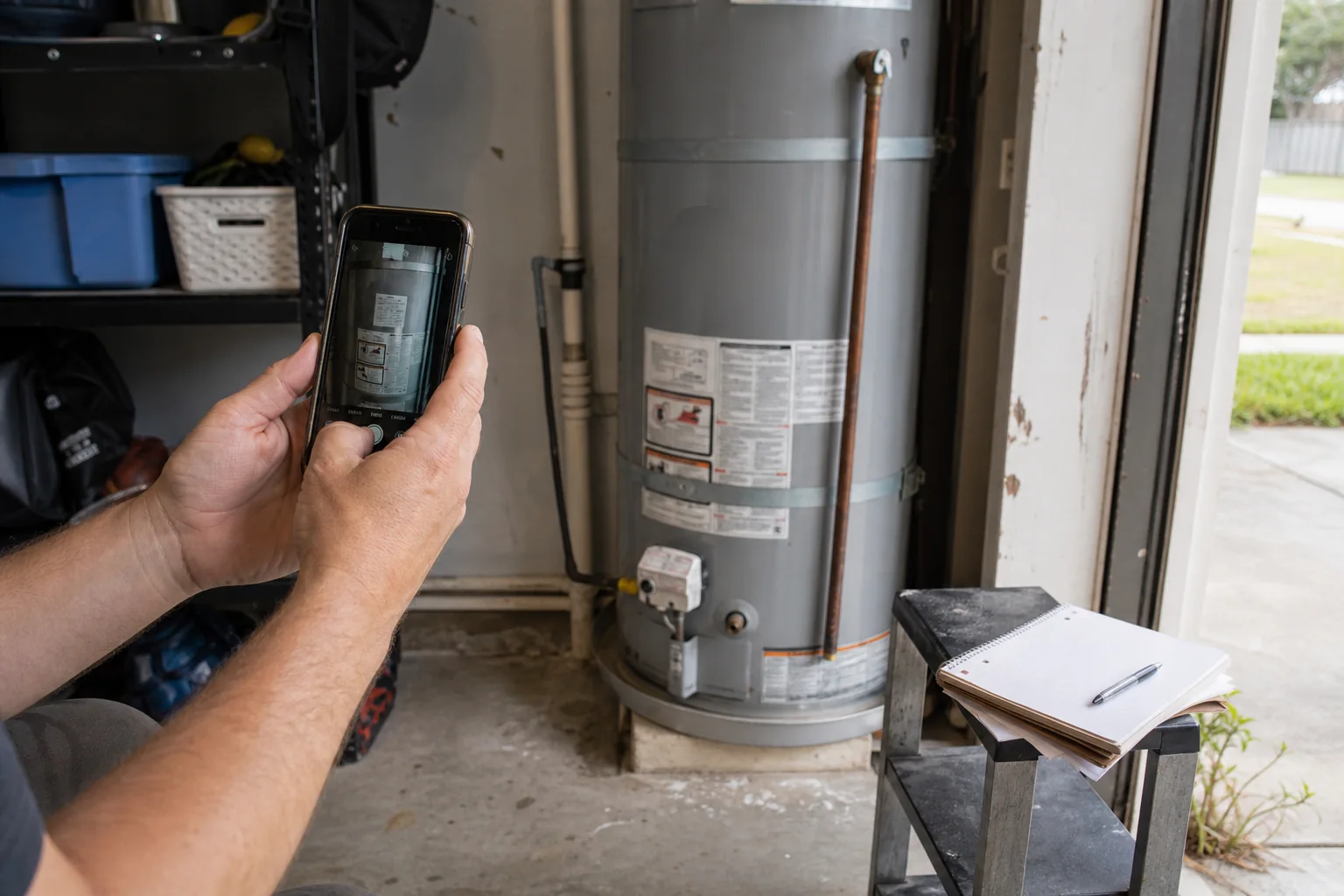
- Photograph accessible plumbing, water-heating equipment, and visible pre-existing leaks
- Save model and serial details already visible without moving equipment
- Date the household record and store a copy where it remains accessible
Resolve before conditions worsen
- Have a professional inspect a shutoff that is stuck, leaking, unidentified, or unsafe to reach
- Address a persistent leak, wastewater backup, or failing pump before an active storm
- Follow the current water-supply guidance published for your location; local recommendations differ
Start with the authority that serves the property
Bookmark the exact local and utility pages now. Provider boundaries do not always match city or county boundaries, so confirm the name on the property's water bill or service record.
Swipe sideways to see every column| Area or need | Official starting point | Use it for | Reviewed |
|---|---|---|---|
| City of Tampa | Water: prepare ahead of a storm | Water preparation and current city guidance | Aug. 26, 2026 |
| Hillsborough County | Hurricane and tropical-storm preparedness | County emergency preparation and alerts | Aug. 26, 2026 |
| Hillsborough utility customers | Water service outages | Outage information for county utility customers | Aug. 26, 2026 |
| Pinellas County | Preparing your home for severe weather | County preparation, utility, and emergency contacts | Aug. 26, 2026 |
| Clearwater | Gas leak, water leak, or water emergency | City utility emergencies and reporting | Aug. 26, 2026 |
| Sarasota County | Sewer leaks and sewer emergencies | County wastewater emergencies and reporting | Aug. 26, 2026 |
| Florida planning and evacuation | Plan and prepare | Statewide planning resources and local links | Aug. 26, 2026 |
Open the current notice during an active event instead of relying on a saved screenshot. The exact serving utility and current authority instructions control.
Read the exact water notice before using the tap
A boil-water notice, a do-not-drink notice, and a do-not-use notice are not interchangeable. Follow the current notice from the serving utility until that authority rescinds it. Under a boil-water notice, an ordinary refrigerator filter, faucet filter, or ice maker is not a substitute for the stated treatment instructions. If fuel, chemicals, or another toxic contaminant may be involved, boiling or household disinfection may not make the water safe.
- Discard ice made while a notice was active when the authority instructs you to do so.
- Use only the current notice for drinking, cooking, brushing teeth, infant formula, pets, and appliance use.
- Do not assume clear-looking water is safe or that cloudy water is necessarily contaminated; the official notice controls.
- If the notice is unclear for a medical need or specific appliance, contact the serving utility or public-health authority.
During the storm: protect people, not equipment
Use official alerts for evacuation, shelter, drinking-water, outage, sewer, and re-entry instructions. Do not repeatedly test fixtures during a known service disruption, and do not assume an area-wide pressure or wastewater problem is private plumbing.
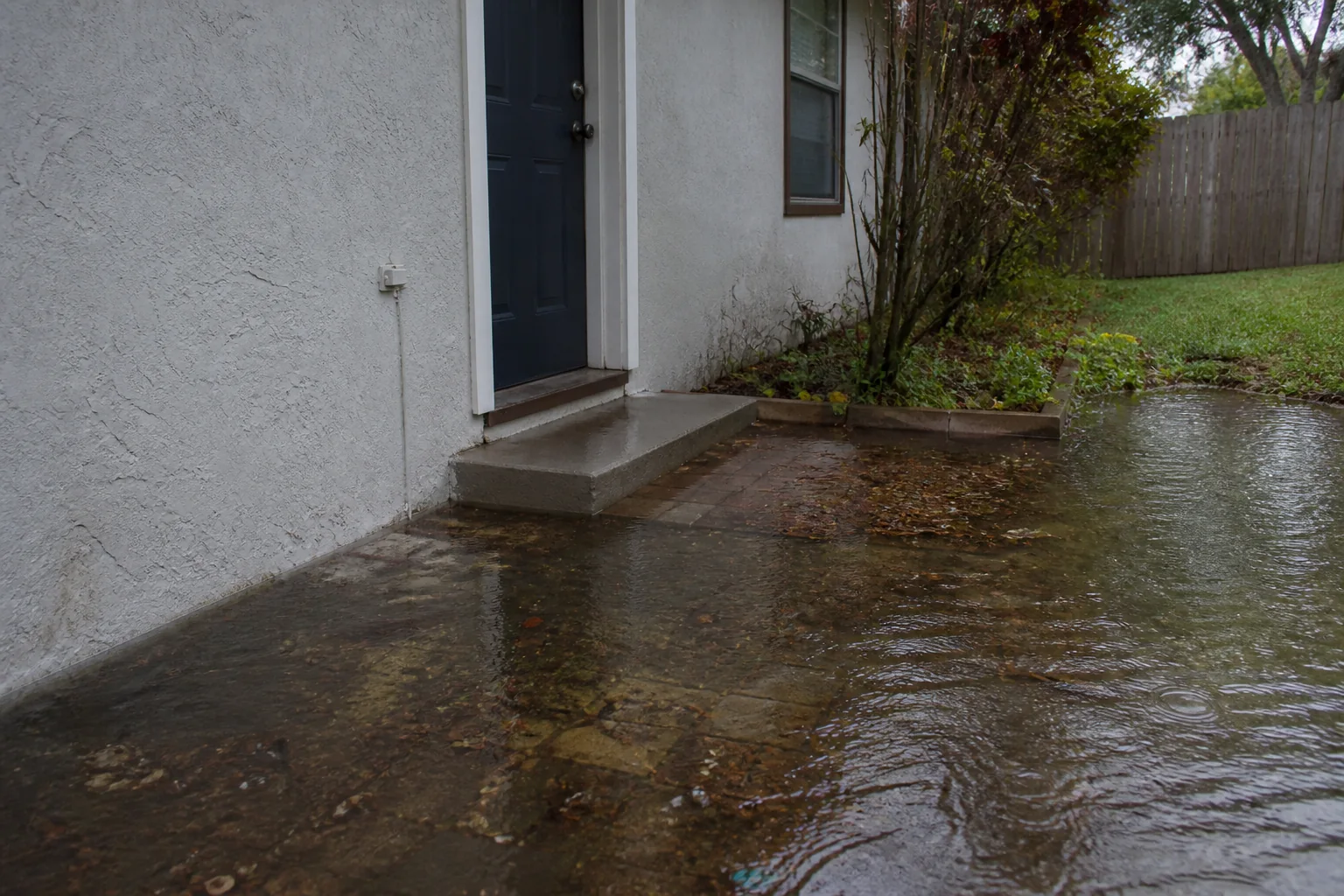
- Stay out of floodwater; it can contain sewage, chemicals, debris, animals, and electrical hazards.
- Do not stand in water near an appliance, panel, cord, pump, or other electrical equipment.
- Do not operate an unfamiliar street-side or utility valve.
- If wastewater service is disrupted, reduce nonessential water use and follow the serving authority's instructions.
Gas, generator, and wet-equipment boundaries
If you smell gas, leave immediately and call 911, the fire department, or the responsible gas utility from outside; do not use switches, phones, flames, or attempt a valve inside the suspected area. Keep portable generators outdoors and at least 20 feet from doors, windows, and vents—never in a home, garage, or carport—and use a working battery-powered carbon-monoxide detector. Do not restart or touch a water heater, pump, appliance, outlet, or control that is wet or standing in water.
- Do not enter a wet utility room or garage to photograph equipment.
- Do not use a gas oven, grill, or generator indoors for power or heat.
- Have flood-exposed electrical, gas, pumping, and water-heating equipment evaluated by the appropriate qualified professional before use.
Sewer, septic, or floodwater: use the right branch
Contact the utility
Check the current wastewater or service notice before arranging private diagnostic work.
Stop adding water
Avoid the contaminated area and contact a plumber after immediate safety hazards are controlled.
Reduce water use
Do not pump the tank while the system is flooded or the water table is high, and do not repair the tank or drainfield until floodwater recedes. Follow current health guidance and use a qualified septic professional.
Do not drink from it yet
Treat the well as potentially contaminated. EPA recommends professional inspection of the well and pump, disinfection, and sampling or testing before normal use.
Treat it as contaminated
Wait for safe re-entry, avoid wet electrical equipment, and follow public-health cleanup guidance before plumbing evaluation.
After the storm: a safe return sequence
Do not begin with a repair. Begin by confirming that people can safely approach the property and use the water and wastewater systems.
Wait
Return only when the responsible authority says conditions and access are safe.
Read current notices
Check drinking-water, boil-water, pressure, sewer, and outage guidance for the exact service area.
Observe from a dry, safe location
Look for visible leaks, displaced equipment, unusual odors, loss of service, or wastewater—without entering water or touching wet equipment.
Document before cleanup
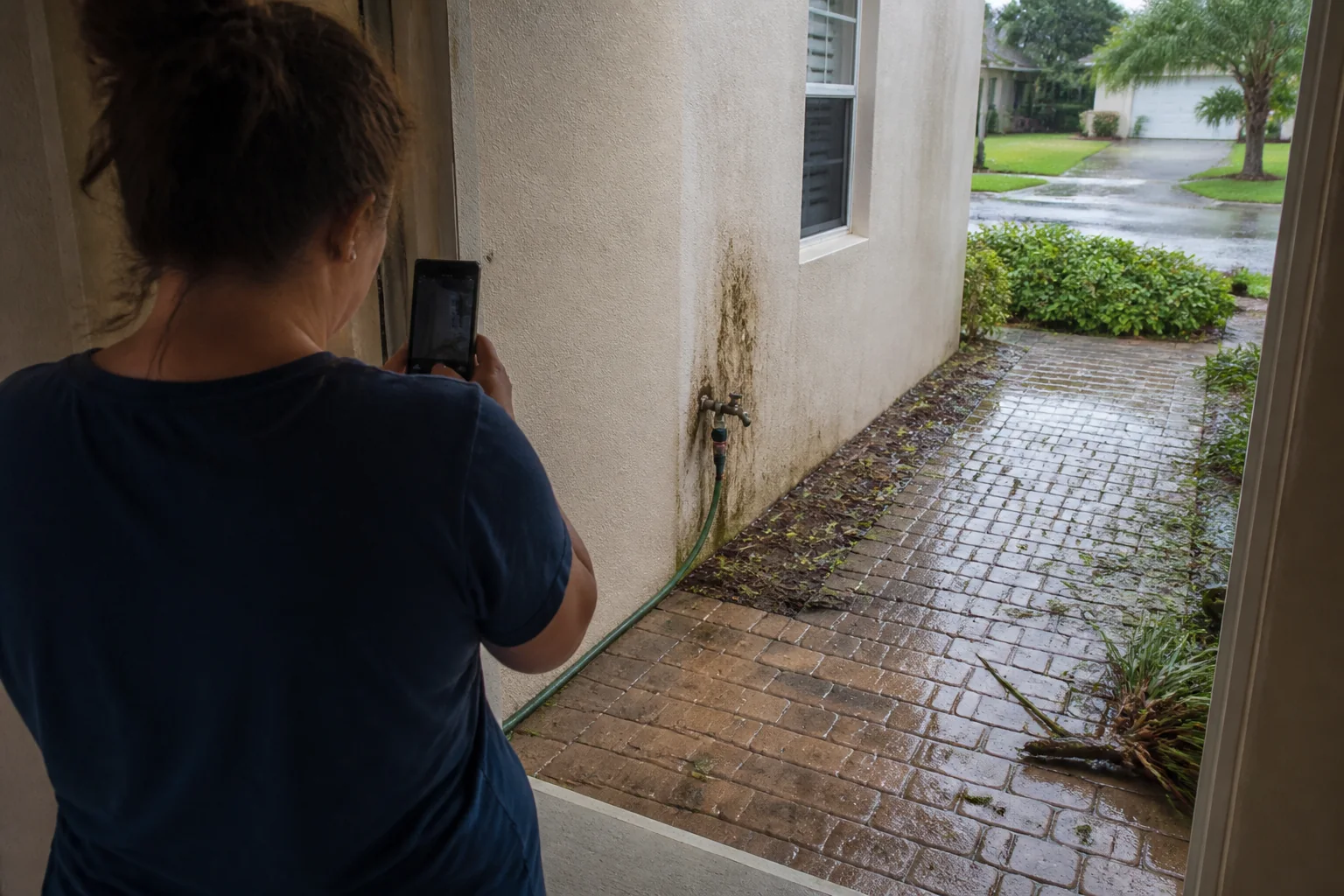
When it is safe, photograph or video visible conditions before cleanup or permanent repair. Record the time, current notices, affected fixtures, and visible model or serial information without moving equipment.
Preserve records
Keep receipts, inspection notes, utility messages, and repair estimates. Ask the insurer and local building authority what they need before permanent work begins.
Choose the responsible contact
Use emergency services for immediate danger, the utility for area-wide or street-side service, and a plumber for private plumbing once access is safe.
Who to call first
Swipe sideways to see every column| What you observe | First contact | What to prepare |
|---|---|---|
| Water near electricity, gas odor, fire, structural danger, or urgent threat | Emergency services or the responsible utility | Location and immediate hazard; leave the area |
| Posted outage, widespread low pressure, street-side break, or area sewer notice | Water or wastewater utility | Address, notice details, time observed, neighbors affected |
| Private leak, damaged fixture, or property-only plumbing failure after safe re-entry | Plumber | Photos, affected fixtures, shutoff status if known, utility notice status |
| Flooded septic property or possible contamination | Local health guidance and qualified septic professional | Flood extent, system type if known, current public instructions |
| Private well touched by floodwater or a damaged well/pump | Public-health guidance and a qualified well professional | Flood extent, well and pump condition, disinfection and testing records |
Related next steps
Use the guide that matches the situation.
How this resource was made
Methodology and limits
This resource separates low-risk household preparation from professional work and live public instructions. It was reviewed against current Tampa Bay government, utility, Florida public-health, EPA, FEMA, Ready.gov, and CDC guidance on August 26, 2026.
- Local water-storage and service instructions vary by authority and event; use the current notice for the property.
- This guide cannot determine whether a building is safe to enter or diagnose storm damage.
- Septic, well, electrical, gas, structural, and contaminated-water conditions require the appropriate authority or qualified professional.
Sources
Reviewed sources
- Prepare Ahead of a StormCity of Tampa · Reviewed 8/17/2026
- Hurricane InformationCity of Tampa Emergency Management · Reviewed 8/26/2026
- Boil Water NoticesCity of Tampa Water Department · Reviewed 8/26/2026
- Hurricane and Tropical Storm PreparednessHillsborough County · Reviewed 8/26/2026
- Water Service OutagesHillsborough County · Reviewed 8/26/2026
- Preparing Your Home for Severe WeatherPinellas County · Reviewed 8/17/2026
- Report a Gas Leak, Water Leak, or Other Water EmergencyCity of Clearwater · Reviewed 8/26/2026
- Sewer Leaks and Sewer EmergenciesSarasota County · Reviewed 8/26/2026
- Plan and PrepareFlorida Division of Emergency Management · Reviewed 8/26/2026
- Safety Guidelines: Reentering Your Flooded HomeCenters for Disease Control and Prevention · Reviewed 8/17/2026
- Floodwater After a Disaster or EmergencyCenters for Disease Control and Prevention · Reviewed 8/26/2026
- Guidelines for Septic and Onsite Wastewater SystemsCenters for Disease Control and Prevention · Reviewed 8/26/2026
- Flooding and Your Septic SystemFlorida Department of Health · Reviewed 8/26/2026
- What to Do With Your Private Well After a FloodU.S. Environmental Protection Agency · Reviewed 8/26/2026
- What to Do to Protect Yourself During a Power OutageCenters for Disease Control and Prevention · Reviewed 8/26/2026
- Documenting Damage After a DisasterFederal Emergency Management Agency · Reviewed 8/26/2026
- FloodsReady.gov · Reviewed 8/17/2026
Reviewed by Plumbers in Tampa Bay on 8/26/2026.